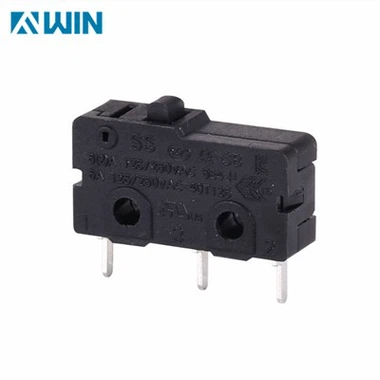
Tactile Switches with Integrated LEDs for Illumination
Feb 27, 2025
Tactile switches with integrated LEDs for illumination have become a fundamental component in modern electronics, offering both functional and aesthetic benefits. These switches provide not only tactile feedback but also visual indicators through the integration of LED lighting. This dual functionality is particularly valuable in environments where user interaction and feedback are crucial, such as in consumer electronics, industrial controls, medical devices, and automotive interfaces.

What is a Tactile Switch with Integrated LED?
A tactile switch is a mechanical switch that provides a distinct physical feedback to the user when pressed. This feedback is usually a "click" or tactile feel, indicating the switch's activation. Tactile switches are commonly used in various consumer electronics and industrial applications because they offer reliable and responsive operation.
An integrated LED in a tactile switch refers to the inclusion of a light-emitting diode (LED) inside the switch assembly. The LED provides illumination that can be used for visual feedback or as an indicator of the switch's status. The integration of the LED into the switch design means that users can easily see whether the switch is active or in a particular state without relying solely on tactile feedback.
How Tactile Switches with LEDs Work
Tactile switches with integrated LEDs typically consist of three key components:
The Tactile Mechanism: This is the part of the switch that provides physical feedback to the user, often in the form of a "click" or noticeable pressure resistance when the switch is activated. This feedback helps users confirm that the switch has been pressed.
The LED Element: The LED is integrated into the body of the switch, typically located underneath or around the actuator (the part of the switch that the user presses). When the switch is pressed, the LED illuminates, providing visual feedback. Depending on the design, the LED can be single-color or multi-color, allowing for varied user interfaces.
The Electrical Circuitry: The LED is wired in conjunction with the switch's electrical circuit, meaning that when the switch is activated, the LED also powers on, providing illumination. Some tactile switches with LEDs are designed to handle multiple voltage levels, making them versatile in different applications.
Key Features of Tactile Switches with Integrated LEDs
1. Illumination and Visual Feedback
The most prominent feature of tactile switches with integrated LEDs is their ability to offer visual feedback. The LED provides users with an immediate visual indicator of the switch's state, which is especially useful in low-light environments. For example, in a dark room or industrial setting, the illuminated switch makes it clear whether the switch has been activated, reducing the risk of user error.
In some designs, the color of the LED can change to indicate different statuses, providing an intuitive and effective way to communicate system states. This is particularly useful in complex electronics where different colors may represent different operating modes or error conditions.
2. User Experience and Accessibility
The combination of tactile feedback and LED illumination improves the overall user experience. The tactile response assures users that they have activated the switch, while the LED illumination provides clarity on the switch's state. For users with impaired vision, this feature is particularly valuable as it provides an additional sensory cue to complement the physical feel of the switch.
In automotive or medical environments, illuminated tactile switches help users identify specific controls quickly and accurately, even in dimly lit conditions.
3. Compact and Space-Efficient Design
Tactile switches with integrated LEDs are available in compact designs, making them suitable for applications where space is at a premium. For instance, consumer electronics like smartphones, smartwatches, or remote controls benefit from the small footprint of these switches. The integration of the LED into the switch reduces the need for additional components, allowing manufacturers to streamline designs without sacrificing functionality.
4. Durability and Reliability
The integration of LED illumination into tactile switches doesn't compromise their durability or reliability. In fact, these switches are designed to withstand millions of actuations, ensuring that both the tactile function and the LED light source continue to perform well over time. Many tactile switches are also designed to be resistant to environmental factors such as dust, moisture, and temperature variations, making them suitable for use in industrial or outdoor applications.
5. Aesthetic Customization
Tactile switches with integrated LEDs can be customized in terms of both appearance and functionality. LEDs are available in a variety of colors, including red, green, blue, white, and even multi-color options that can be programmed to change depending on the application. This aesthetic flexibility allows designers to create interfaces that are both functional and visually appealing, especially in consumer products like gaming devices, smartphones, or high-end audio equipment.
Some tactile switches are also available with translucent or diffused covers, which ensure uniform illumination and enhance the visual appeal. This is particularly important in consumer-facing products where the design and appearance play a significant role in product success.
Applications of Tactile Switches with Integrated LEDs
Tactile switches with integrated LEDs are used across a wide range of applications where both feedback and space efficiency are important:
Consumer Electronics: In products like remote controls, smartphones, and wearable devices, these switches help create user-friendly interfaces by providing visual cues for button presses. The combination of tactile feedback and LED illumination ensures that users can easily interact with the device.
Industrial Equipment: Industrial machinery often uses illuminated tactile switches for controls and settings. The tactile feedback ensures precise operation, while the illumination allows operators to easily identify active switches in low-light environments.
Automotive Controls: In automotive applications, illuminated tactile switches are often used for dashboard controls, indicating whether a specific function, such as the lights or seat heaters, is turned on or off. The illumination ensures clarity in night driving conditions.
Medical Devices: Tactile switches with integrated LEDs are used in medical devices like diagnostic tools, patient monitors, and infusion pumps. They provide clear feedback to healthcare professionals, improving usability in critical situations.
Networking and Telecom Equipment: Devices such as routers, switches, and servers often use tactile switches with integrated LEDs to provide visual status indicators. This allows technicians to quickly assess the operational status of a device.
Conclusion
Tactile switches with integrated LEDs are a powerful combination of tactile feedback and visual indicators. These switches offer a wide range of benefits, including enhanced user experience, reliability, and space efficiency. Whether used in consumer electronics, industrial equipment, medical devices, or automotive controls, the integration of tactile switches and LEDs plays a critical role in ensuring intuitive, efficient, and reliable user interfaces. The ability to combine tactile response with visual cues enables users to interact more confidently with the device, improving both functionality and accessibility.