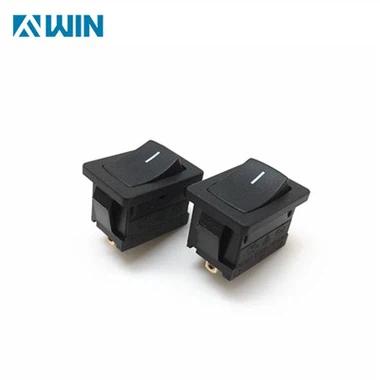
What is right angle illuminated tact switches surface mount PIP terminal
Feb 27, 2025
Surface-Mount PIP Terminals for Right-Angle Illuminated Tactile Switches
In the world of electronics, the surface-mount PIP (Pin-in-Paste) terminal is an essential component for many modern tactile switches, especially in applications requiring space-saving designs. These terminals are commonly found in right-angle illuminated tactile switches, which combine tactile feedback with visual indicators to enhance user interaction. The integration of PIP terminals in surface-mount technology (SMT) provides efficiency, speed, and reliability in the manufacturing process.

What are PIP Terminals?
PIP, which stands for Pin-in-Paste, is a technology used in the manufacturing of electronic components, particularly in surface-mount devices (SMDs) like tactile switches. It refers to a method where pins or leads are coated with solder paste during the assembly process, and they are then inserted into the printed circuit board (PCB) pads. The term "Pin-in-Paste" describes this process of soldering where the pins of the component are placed into solder paste on the PCB during pick-and-place assembly, allowing the component to be securely attached to the board during reflow soldering.
Right-Angle Mounting and Its Advantages
The right-angle mounting configuration of a tactile switch means the terminals are oriented perpendicularly to the surface of the PCB. This layout is highly advantageous for several reasons:
Space Optimization: Right-angle terminals are useful for applications where the space on the PCB is limited, and components must be arranged efficiently without occupying more area than necessary. They allow components to be placed in tight configurations while maintaining easy access for the user.
Ease of Assembly: Right-angle switches with PIP terminals are easier to assemble using automated pick-and-place machinery. The design of the right-angle terminals allows the component to sit securely in the PCB without the need for additional manual handling during the assembly process, saving time and cost in manufacturing.
Reduced Footprint: These switches help reduce the overall footprint on the PCB, which is crucial for modern compact devices. Designers can integrate more features into a smaller space without compromising the performance or usability of the switch.
Surface-Mount PIP Terminal Features for Illuminated Tactile Switches
When discussing right-angle illuminated tactile switches with PIP terminals, there are several features that make them suitable for a variety of applications:
Compact Design and Low Profile: The surface-mount configuration of these switches allows for a low-profile design, making them ideal for use in compact and portable devices. The ability to mount components in a right-angle orientation further minimizes the space needed on the PCB, an essential feature for consumer electronics like smartphones, remote controls, and portable speakers.
Illumination Integration: Right-angle illuminated tactile switches often incorporate LED elements to provide visual feedback when activated. This LED illumination, combined with the tactile feedback of the switch, enhances the usability of the switch, making it easier for the user to see when the switch is engaged. The PIP terminals in these switches allow for efficient soldering of both the switch and the LED components, ensuring a strong electrical connection and reliable performance.
Durability and Reliability: The PIP terminal method provides a durable connection between the tactile switch and the PCB. By using solder paste, the pins are securely soldered to the PCB during reflow soldering, ensuring that the connection remains robust over time, even under mechanical stress or temperature fluctuations. This feature is particularly important for switches that will be used in rugged environments, such as medical equipment, industrial control panels, and automotive electronics.
Automatic Assembly Compatibility: One of the primary advantages of surface-mount PIP terminals is their compatibility with automated assembly processes. Pick-and-place machines can quickly place components on the PCB, reducing the need for manual labor and minimizing human error. This leads to higher production efficiency and more cost-effective manufacturing. This automation is especially beneficial when producing large volumes of devices.
Electrical Performance: The surface-mount PIP terminals of illuminated tactile switches are designed to provide optimal electrical performance. The connection between the switch's leads and the PCB is strong, ensuring stable electrical conductivity and reducing the risk of poor solder joints or connection failures. The method ensures that the tactile switch will function as intended, providing reliable input for user interactions.
Customization: Many manufacturers offer customizable options for illuminated tactile switches with PIP terminals. These can include various LED colors, cap markings, and even custom logos on the switch's actuator. This flexibility allows companies to create unique interfaces for their products, whether in consumer electronics, industrial systems, or other applications where user experience is crucial.
Applications of Right-Angle Illuminated Tactile Switches with PIP Terminals
The integration of PIP terminals in right-angle illuminated tactile switches is beneficial in a variety of industries. Some of the most common applications include:
Consumer Electronics: In products like smartphones, tablets, and handheld devices, space is at a premium. Right-angle illuminated tactile switches provide an intuitive, space-efficient way to integrate user input, while the LED illumination gives users immediate feedback on the switch's state.
Industrial and Automotive Control Panels: These switches are ideal for industrial machines, automotive control panels, and other heavy-duty equipment. The tactile feedback and illumination make it easier for operators to interact with the machinery, even in low-light environments or noisy settings.
Medical Devices: Medical equipment often requires highly reliable switches that are easy to operate and provide clear feedback. Right-angle illuminated tactile switches with PIP terminals are used in diagnostic devices, monitoring equipment, and control interfaces, where both functionality and durability are critical.
Networking and Telecom Equipment: In telecom and networking hardware, such as routers, switches, and server equipment, these switches are used to allow users to easily interact with the device's interface. The right-angle design ensures they fit into tight spaces on the PCB, while the LED illumination adds visual clarity.
Conclusion
Surface-mount PIP terminals for right-angle illuminated tactile switches offer a range of benefits, including compact design, ease of automated assembly, enhanced electrical reliability, and durability. These features make them highly suitable for use in a wide variety of applications, from consumer electronics to industrial and medical devices. As electronics continue to evolve toward smaller, more compact designs, the importance of efficient, reliable components like these will only grow. The combination of tactile feedback and LED illumination, along with the efficiency of the PIP terminal design, makes these switches a top choice for modern electronic devices.