Is The Illuminated Metal Switch Used in Audio Equipment?
Feb 25, 2025
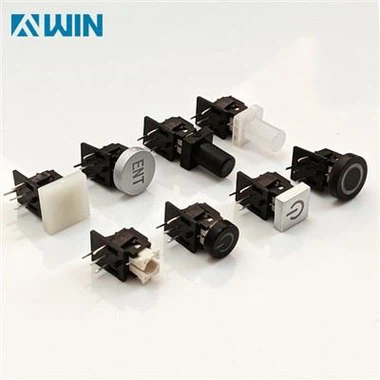
Illuminated metal switches are commonly used in a wide variety of electronic applications, and they do find a place in audio equipment, where their aesthetic appeal, durability, and functionality are particularly valued. These switches combine the tactile and visual elements of traditional mechanical switches with the added benefit of illumination, making them an attractive option for audio-related devices, where both performance and user experience are paramount. In this context, the illuminated metal switch serves both functional and aesthetic purposes.

Functional Benefits in Audio Equipment
1. User Feedback
In audio equipment, user feedback is crucial for efficient operation, and illuminated metal switches provide a clear visual indicator of whether a particular function is activated or deactivated. For example, a power button in an audio amplifier or a mute button on a mixing console can be illuminated to show whether the device is on or if the audio signal is muted. This visual cue ensures that the user can quickly and easily identify the status of a given function, which is especially important in live sound setups or situations with low light.
2. Durability
Audio equipment, particularly in professional settings such as live sound reinforcement, recording studios, and broadcast environments, is often subjected to heavy use. Illuminated metal switches are typically designed with high durability in mind. The metal housing offers robust protection against wear and tear, making them resistant to impacts, dust, and moisture. These qualities are essential in ensuring that the switch continues to function reliably over time, even in demanding environments.
3. Tactile Feedback
Beyond the visual element, illuminated metal switches often provide tactile feedback when pressed. This feedback can be invaluable in audio equipment, where precise control is required. In high-stress environments, like live performances or studio recording, the ability to feel when a switch has been activated can prevent errors and improve the efficiency of audio adjustments.
4. Customization and Versatility
Illuminated switches are available in various designs, sizes, and illumination styles (e.g., LED, RGB). This flexibility makes them suitable for a wide range of audio equipment, from professional mixing consoles to home audio systems. They can be used to highlight certain features or to color-code different functions for ease of use. For instance, a red LED might indicate a "power on" status, while a green LED could show that a particular audio channel is active. Such customizations enhance the overall user experience and allow for intuitive operation, especially when devices are complex or have multiple functions.
Aesthetic Appeal in Audio Equipment
1. Professional Appearance
In addition to their functionality, illuminated metal switches also contribute to the sleek, professional appearance of audio equipment. High-end audio devices, such as mixing consoles, amplifiers, and audio interfaces, often use illuminated metal switches as part of their design philosophy. The polished metal finish, combined with subtle illumination, adds a modern and high-quality aesthetic that appeals to both professional users and enthusiasts.
2. Brand Identity
For manufacturers of audio equipment, illuminated metal switches offer a unique opportunity for branding and customization. Switches can be designed in specific colors or with logos, allowing brands to create a signature look that stands out in the marketplace. This is especially useful in high-end audio gear, where design elements can play a significant role in attracting customers.
Common Applications in Audio Equipment
1. Mixing Consoles
In mixing consoles, illuminated metal switches are used extensively to control various functions such as power, mute, solo, and channel activation. The illumination makes it easier for sound engineers to quickly identify the status of each channel and function, especially in low-light environments such as concert venues or studios.
2. Audio Interfaces
Many audio interfaces, which provide a bridge between microphones, instruments, and a computer, use illuminated metal switches for controls like phantom power, input gain, and headphone output. The illuminated switches in these devices make it easier for users to see their settings at a glance, even in darker environments.
3. Amplifiers and Preamps
Illuminated switches in amplifiers and preamps serve not only as functional buttons but also as an important visual element in the device's overall design. Whether it's a power switch that glows to indicate the amplifier is on, or a mode-select switch that changes color based on the selected input, these illuminated switches enhance both the usability and appeal of the equipment.
4. Effect Pedals
In audio equipment like guitar effect pedals, illuminated metal switches are often used to activate or bypass effects. The visual feedback provided by the illuminated switch helps musicians clearly see which effects are engaged during a performance, minimizing the risk of mistakes in live settings.
Conclusion
Illuminated metal switches are more than just functional components in audio equipment; they are integral to enhancing the user experience. Their visual feedback, durability, and tactile response make them ideal for use in high-performance environments like live sound systems, professional recording setups, and home audio systems. Additionally, their aesthetic value cannot be understated, as they contribute to the sleek and professional design of modern audio equipment. From mixing consoles to effect pedals, these switches play a pivotal role in the efficiency, reliability, and attractiveness of audio devices.