

How Anti-Vandal Switches Work
Feb 27, 2025
Anti-vandal switches are specially designed pushbutton switches that provide enhanced durability and security in environments where regular switches might be vulnerable to tampering, damage, or misuse. These switches are commonly used in public spaces, outdoor settings, and industrial environments where they are exposed to heavy use or potential vandalism. The construction and functionality of anti-vandal switches ensure that they remain operational and secure under challenging conditions.
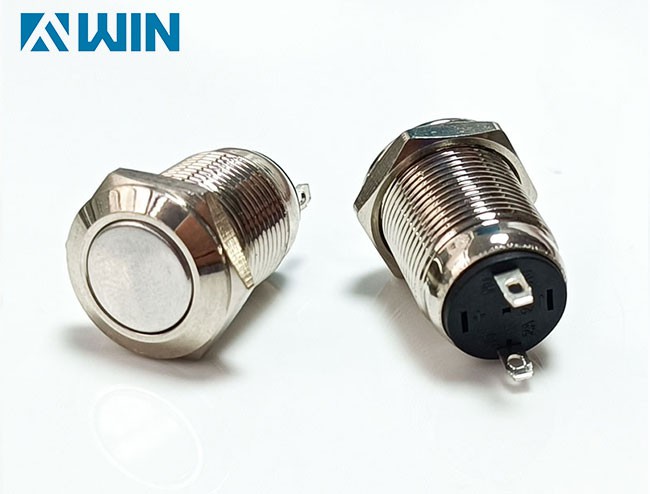
1. Robust Construction
The primary feature of anti-vandal switches is their robust construction. These switches are designed to withstand physical abuse, such as impact, forceful pressing, and attempts to tamper with or break the switch.
Anti-vandal switches typically feature:
Metal housings: Most anti-vandal switches are made from tough metals such as stainless steel or aluminum. The metal construction makes the switch resistant to damage from impact, cutting, or scratching. These metals also provide resistance against corrosion, which is particularly important for outdoor or industrial applications.
Reinforced covers: The actuator (the part that users press) is often made from tough materials such as stainless steel or hardened plastic. These materials are chosen for their resistance to being cracked, broken, or defaced. In some cases, the actuator is recessed or protected by a bezel to prevent damage from blunt force.
Tamper-resistant designs: Some anti-vandal switches incorporate designs that make it difficult for unauthorized individuals to remove or manipulate the switch. This might include locking mechanisms, tamper-proof screws, or special mounting techniques that secure the switch in place.
2. Protection Against Environmental Factors
Anti-vandal switches are often used in challenging environments, such as outdoors or in industrial settings, where exposure to the elements is a concern. To address this, these switches are typically built with high ingress protection (IP) ratings.
IP ratings: Anti-vandal switches usually have an IP65, IP66, or higher rating, which means they are dust-tight and protected against water jets or even temporary submersion. This ensures that the switch can continue functioning properly even in wet or dusty environments, making them ideal for outdoor kiosks, ATMs, or public transport stations.
Corrosion resistance: The materials used in the construction of anti-vandal switches are also highly resistant to corrosion. Stainless steel, in particular, is known for its ability to resist rust, which is important for switches installed in areas exposed to moisture, chemicals, or saltwater.
3. Impact Resistance and Shock Absorption
The switches are designed to resist damage from physical impacts. Anti-vandal switches are tested to endure heavy impacts, such as being hit with a hammer or subjected to a forceful press. The impact resistance is primarily due to the use of high-strength metals, shock-absorbing gaskets, and reinforced internal components.
Shock-absorbing components: Some switches incorporate shock-absorbing materials like rubber or silicone around the button or inside the housing. These materials help absorb the force from an impact and protect the internal electrical components from damage.
Impact-resistant actuators: The button or actuator of an anti-vandal switch is designed to be highly durable. Even if the switch is struck with force, the actuator will not break or become dislodged easily. The actuator often has a recessed design to prevent accidental or forceful contact that could damage the switch.
4. Anti-Tampering Features
To prevent unauthorized access or tampering, anti-vandal switches often come with several security features:
Tamper-resistant fasteners: Anti-vandal switches may use special screws or fasteners that require specific tools to remove. This makes it difficult for vandals to simply unscrew the switch and gain access to the internal wiring or electrical components.
Non-removable components: Some designs ensure that critical parts of the switch, such as the button or casing, are non-removable. This prevents people from disabling the switch or stealing parts for resale or misuse.
5. Long Operational Life
Anti-vandal switches are also designed to offer a long operational life, even in high-traffic or high-use areas. They typically have a higher number of actuations compared to standard pushbuttons. These switches are rated for up to 1,000,000 actuations or more, which ensures they can withstand long-term use without performance degradation.
Quality contacts: Anti-vandal switches often feature high-quality contacts, such as gold-plated or silver contacts, which help ensure reliable performance over time. These materials resist corrosion and maintain a strong electrical connection, reducing the risk of failure.
6. Visual and Functional Security
Anti-vandal switches are often designed with a distinct visual appearance that deters tampering. They may feature a rugged or industrial look, signaling that they are designed for durability and resistance to abuse.
Illumination: Some anti-vandal switches incorporate LED lighting that makes them more visible and easier to use in dark environments. The LED lights may also have tamper-resistant designs, such as built-in protective covers, to prevent the light from being damaged.
7. Applications
Anti-vandal switches are used in a variety of applications where durability and security are paramount:
Public kiosks: These switches are often found in interactive kiosks in shopping malls, airports, or public transport stations, where high durability is required due to heavy usage.
ATMs: Anti-vandal switches are used in ATMs, where they need to resist damage and unauthorized tampering to protect both the user and the equipment.
Outdoor equipment: Outdoor applications such as parking meters, streetlights, or industrial control panels benefit from the weather-resistant and tamper-proof features of anti-vandal switches.
Industrial machinery: For machinery and equipment in manufacturing environments, anti-vandal switches are used to ensure reliability and resistance to tampering in potentially hazardous or high-stress situations.
Conclusion
Anti-vandal switches are specifically designed to offer increased durability, security, and functionality in environments where regular switches may be vulnerable to physical damage or tampering. With their robust construction, environmental resistance, impact absorption, and tamper-proof features, these switches are an ideal solution for applications in public spaces, industrial settings, and outdoor environments. The combination of these features ensures that anti-vandal switches remain functional and secure, even in the most challenging conditions.


