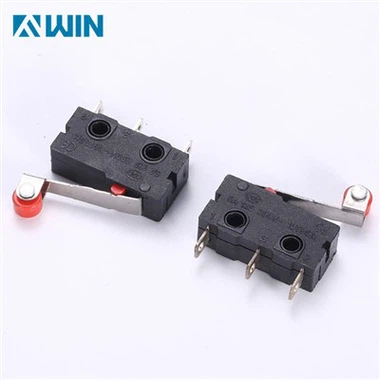
Comprehensive Introduction For The Right Angle Two Way DIP Switch
Nov 19, 2024
The right-angle two-way DIP (Dual In-line Package) switch is a widely used component in modern electronics, offering flexibility and reliability for circuit configuration and control. These compact, cost-effective switches provide manual toggling between two states (ON/OFF) and are often used in digital circuits to set user-defined configurations such as device modes, address selections, and debugging options. The "right-angle" design enables unique mounting configurations, optimizing space and usability in compact or densely populated circuit boards.
This comprehensive introduction explores the structure, features, applications, and benefits of right-angle two-way DIP switches, providing an in-depth understanding of their importance in electronic design.
What Is a Right-Angle Two-Way DIP Switch?
A right-angle two-way DIP switch is a manual electrical switch designed in a rectangular package with two-position toggle options. It is called "right-angle" because its terminals are oriented perpendicular to the body of the switch, allowing for horizontal mounting on printed circuit boards (PCBs). The two-way nature refers to its ON/OFF functionality, making it suitable for binary operations in electronic circuits.
Typically, the switch consists of a small actuator or lever that users can toggle between positions, connecting or disconnecting specific circuit pathways. These switches are often grouped into multiple poles (e.g., 2, 4, 8, or more), allowing designers to configure multiple settings on a single device.
Key Features of Right-Angle Two-Way DIP Switches
Right-Angle Configuration:
The unique terminal orientation allows for horizontal PCB mounting, making the switch accessible from the side. This design is ideal for devices with limited vertical space or where side-access adjustments are needed.
Compact Form Factor:
Despite their functionality, right-angle DIP switches are compact, saving valuable PCB real estate.
Two-Way Toggle Mechanism:
Offers simple ON/OFF control, essential for binary operations like enabling/disabling features or setting logic levels.
Multiple Poles:
Available in configurations ranging from a single pole to dozens, enabling multiple settings in a single package.
Durable Build:
Constructed from robust materials such as high-grade plastics and metals, ensuring durability over thousands of toggling cycles.
Easy Soldering and Mounting:
Compatible with standard PCB soldering techniques, including hand soldering and automated reflow processes.
Clear Markings:
Often labeled with ON/OFF indicators or numbers, ensuring accurate configurations during setup.
Low Contact Resistance:
Ensures reliable electrical connectivity with minimal signal loss.
Customizable Options:
Available in various pin counts, actuation forces, and current ratings to suit specific applications.
Applications of Right-Angle Two-Way DIP Switches
Consumer Electronics:
Used in devices like remote controls, audio systems, and gaming consoles to configure settings or enable/disable features.
Industrial Equipment:
Enables system configurations in machinery, including mode selection, address settings, and diagnostic testing.
Networking and Telecommunications:
DIP switches are used in routers, modems, and switches to set addresses, protocols, or operational modes.
Home Automation:
Facilitates system personalization in smart devices, such as thermostat mode selection or lighting configurations.
Automotive Electronics:
Configures diagnostic tools or in-car systems like infotainment units and onboard diagnostics (OBD).
Medical Devices:
Ensures precise configuration of medical monitoring equipment and laboratory tools.
Prototyping and Development Boards:
Popular in Arduino, Raspberry Pi, and other development platforms to enable testing of various circuit configurations.
Test and Measurement Equipment:
Used in oscilloscopes, multimeters, and other tools for mode selection and parameter adjustments.
Advantages of Right-Angle Two-Way DIP Switches
Cost-Effectiveness:
DIP switches are a low-cost solution for manual configuration, offering affordability without sacrificing reliability.
Flexibility:
Their ability to toggle between ON/OFF states allows for versatile applications, from simple power control to complex address settings in communication systems.
Compact Design:
The right-angle configuration saves space, making it ideal for compact devices or densely populated PCBs.
User-Friendly Operation:
Easy to toggle by hand or with small tools, DIP switches allow users to reconfigure settings without specialized equipment.
Long Lifespan:
Built for durability, these switches can withstand repeated toggling, ensuring consistent performance over time.
Non-Volatile Configuration:
Unlike software-based settings that can reset during power cycles, DIP switch settings remain constant until physically changed.
Customizability:
With options for pole count, actuation force, and terminal types, designers can select the perfect switch for their specific needs.
Considerations for Selecting Right-Angle Two-Way DIP Switches
When choosing a right-angle two-way DIP switch, it's essential to evaluate the following parameters to ensure compatibility and optimal performance:
Pole Count:
Determine the number of switches needed for your application, as they are available in configurations ranging from single-pole to multi-pole packages.
Current and Voltage Ratings:
Ensure the switch's electrical specifications match the circuit requirements to avoid overloading or failures.
Actuation Force:
Consider the ease of toggling; lighter forces are user-friendly, while heavier forces prevent accidental toggling.
Size and Mounting Orientation:
Verify the dimensions and right-angle design compatibility with your PCB layout.
Durability and Lifespan:
Check the switch's cycle rating to ensure it meets the expected usage over the device's lifetime.
Environmental Resistance:
For applications in harsh environments, look for switches with moisture resistance or rugged enclosures.
Markings and Identification:
Opt for switches with clear ON/OFF indicators or numbering for easier configuration and troubleshooting.
Installation and Usage Tips
Soldering Guidelines:
Use appropriate soldering techniques to avoid overheating the switch body or terminals, which could damage the internal components.
Ensure Accessibility:
Mount the switch in a location that allows easy access for toggling, especially in applications requiring frequent adjustments.
Debouncing Circuits:
For digital applications, consider using debounce circuits to eliminate noise caused by mechanical bounce during toggling.
Testing:
After installation, test each switch position to ensure proper functionality and connectivity.
Labeling:
Use labels or documentation to indicate the purpose of each switch setting, reducing errors during configuration.
Future Trends in DIP Switch Technology
As electronics evolve, DIP switch technology continues to advance to meet new demands. Some notable trends include:
Miniaturization:
Development of even smaller DIP switches to accommodate ultra-compact devices like wearables and IoT modules.
Increased Integration:
Combining DIP switches with other components, such as resistors or capacitors, for added functionality in a single package.
Enhanced Durability:
Use of advanced materials and manufacturing techniques to improve lifespan and environmental resistance.
Smart Configurations:
Integration of smart features, such as programmable settings, to offer hybrid solutions bridging manual and digital control.
Conclusion
Right-angle two-way DIP switches are versatile, reliable, and indispensable components in the electronics industry. Their compact design, ease of use, and durability make them a preferred choice for applications ranging from consumer electronics to industrial systems. With advancements in technology, these switches continue to adapt, offering new features to meet the growing complexity of modern devices.
Whether you're designing a prototype or developing a production-ready product, incorporating a right-angle two-way DIP switch ensures flexibility, efficiency, and long-term performance. Their simplicity and effectiveness will remain valuable in the rapidly evolving landscape of electronic design.