What's the difference of tact switch and pushbutton switch?
Mar 30, 2023
Tact switch and push button switch are two different types of switches that are extensively used in electronic devices. Although these switches may appear similar, they have some significant differences.
Tact Switch:
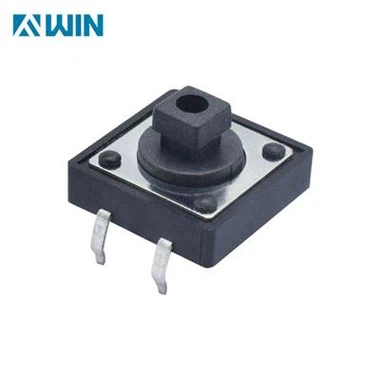
A tact switch, also known as a tactile switch, is a type of momentary switch that is commonly used in electronic devices such as calculators, keyboards, remote controls, and game controllers. Tact switches are very different from mechanical switches in several ways. They are typically small, provide feedback when actuated, and require only a small amount of force to activate.
One of the essential features of a tact switch is the tactile feedback that it provides. When pressed, the switch produces a click or snap sound that indicates the switch has been actuated. This feedback also gives the user a physical indication that the switch has been activated, making it easier to operate the device without looking at the button.
Another feature of tact switches is their low profile design. Tact switches are designed to be small and low profile, making them easy to integrate into various electronic devices. These switches are typically sealed in a plastic housing, making them resistant to dust, debris, and moisture.
Push Button Switch:
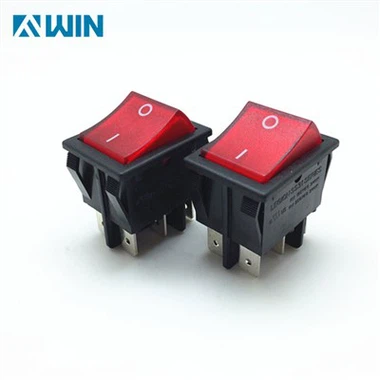
Pushbutton switches are a type of mechanical switch that requires an external force or pressure to close or open the circuit. These switches come in different types, including momentary, latching, and toggle switches. Pushbutton switches are often found in devices that require users to turn power on and off, such as lamps, radios, and electronic equipment.
One of the primary differences between a pushbutton switch and a tact switch is the amount of force required to operate the switch. Pushbutton switches require more force than tact switches. These switches often provide an audible click, but they do not have the tactile feedback found in tact switches.
Pushbutton switches also come in various shapes and sizes, making them easier to integrate into larger devices. They can be panel mounted, snap mounted or PCB mounted, depending on the application requirements.
Differences between Tact Switch and Pushbutton Switch:
1. Force required to operate: Tact switches require less force to activate than pushbutton switches. This makes tact switches more suitable for applications that require repetitive operation or require less effort.
2. Feedback: Tact switches provide tactile feedback to the user, indicating that the switch has been activated. Pushbutton switches often offer an audible click, but they lack the tactile feedback.
3. Size: Tact switches are small and low profile, making them easy to integrate into electronic devices. Pushbutton switches come in various shapes and sizes, but they are usually larger than tact switches.
4. Applications: Tact switches are often used in devices such as calculators, keyboards, and game controllers, whereas pushbutton switches are used in devices that require a more significant force to operate, like lamps and other electronic equipment.
Conclusion:
Tact switches and pushbutton switches are two different types of switches with unique features and applications. Although they seem similar, tact switches require less force and offer tactile feedback, while pushbutton switches require more force and provide audible feedback. When selecting a switch for an application, it is essential to consider the force required to operate the switch, feedback, size, and application requirements to ensure the best performance.