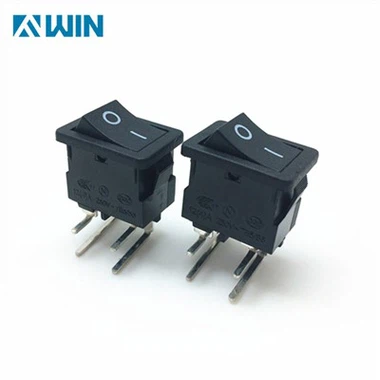
Introduction to internal structure of toggle switch
Feb 29, 2024
The internal structure of a toggle switch is relatively simple yet highly effective, allowing for reliable control over electrical circuits. Understanding its internal components provides insight into how toggle switches function and how they are able to withstand repeated operation. Here's an introduction to the internal structure of a typical toggle switch:
Toggle Lever:
At the heart of the toggle switch is the toggle lever, also known as the actuator or handle. This lever is typically made of sturdy material such as metal or plastic and is designed for manual operation by the user.
The toggle lever is connected to the internal switching mechanism and is responsible for toggling the switch between its various positions, such as "on" and "off."
Body and Housing:
The body of the toggle switch houses all the internal components and provides structural support and protection. It is usually made of durable materials such as thermoplastics or metals.
The housing also includes mounting features, such as threaded bushings or tabs, which allow the switch to be securely mounted to a panel or enclosure.
Contacts and Terminals:
Inside the toggle switch are electrical contacts and terminals that form the switching mechanism. These contacts are typically made of conductive materials such as brass or silver alloy.
The terminals provide connection points for the external electrical wires or conductors. They are usually arranged in a configuration that corresponds to the switch's switching action, such as single-pole single-throw (SPST) or double-pole double-throw (DPDT).
Toggle Mechanism:
The toggle mechanism translates the linear motion of the toggle lever into a mechanical action that opens or closes the electrical contacts.
When the toggle lever is moved to the "on" position, the mechanism engages, causing the contacts to make electrical contact and complete the circuit. Conversely, moving the lever to the "off" position disengages the mechanism, opening the contacts and breaking the circuit.
Springs and Detents:
Springs and detents are often incorporated into the toggle switch mechanism to provide tactile feedback and resistance during operation.
Springs apply force to the toggle lever, helping it return to its original position after being toggled. This ensures positive engagement and reliable operation.
Detents are small protrusions or notches on the internal components that provide tactile feedback to the user, indicating when the switch has reached its fully engaged or disengaged position.
Insulating Materials:
Insulating materials are used strategically within the toggle switch to prevent electrical shorts and ensure proper isolation between conductive components.
These materials may include insulating sleeves, barriers, or coatings that protect the contacts and terminals from accidental contact with other conductive parts.
Sealing and Environmental Protection:
In some applications, toggle switches are designed with sealing features to provide protection against moisture, dust, and other environmental contaminants.
Sealing methods may include rubber seals, O-rings, or gaskets that prevent ingress of moisture and debris into the switch's interior, ensuring reliable performance in harsh environments.
In summary, the internal structure of a toggle switch comprises several key components, including the toggle lever, body and housing, contacts and terminals, toggle mechanism, springs and detents, insulating materials, and sealing features. Together, these components work in harmony to provide reliable electrical switching action and durability in a wide range of applications.