What Is The Difference Between A DC Power Jack And A DC Power Plug
Sep 01, 2026
Many electronic device buyers and assembly workers mix up DC power jack and DC power plug, yet these two parts complete a full power connection as a matched pair with totally separate roles. The most straightforward rule is that the plug sits on the cable side, while the jack mounts onto the equipment chassis or circuit board.
A DC power plug is the male connector attached to the end of a power adapter cord. It is built with an outer metal barrel and an inner conductive pin. Users manually insert this component into a port to deliver direct‑current energy. It belongs to a detachable wiring accessory. Common scenarios include laptop chargers and LED strip adapters. Key physical traits focus on outer diameter, inner pin size, and strain relief to prevent cable breakage during repeated pulling.
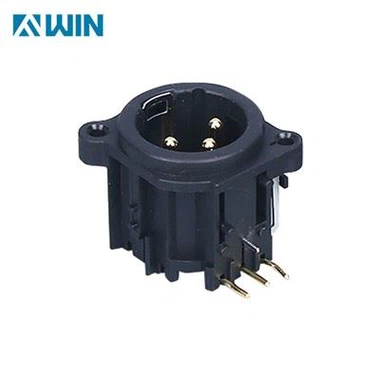
On the opposite side, the DC power jack is the female receptacle fixed inside gadgets. Soldered onto printed circuit boards or locked into plastic housing, this socket stays permanently installed on devices like surveillance cameras and control panels. Inside the jack are spring‑loaded metal contacts that grip the plug tightly once plugged in, ensuring stable electrical conductivity. It serves as the built‑in interface for power input.
Three practical keywords define their real‑world application: cable termination, panel mounting, and mating cycle. Cable termination describes how the plug gets crimped or soldered to power wires for external power delivery. Panel mounting refers to the installation method of jacks, which lock tightly against equipment casings for long‑term use. Mating cycle measures how many times the two parts can plug and unplug without losing performance; jack contacts usually withstand more insertions because they are fixed components.
Simply put, you hold the plug when charging your device, and the jack is the hidden port waiting on your hardware. One is the movable cable end, the other is the stationary built‑in socket. Neither can work alone. Manufacturers always select matching sizes for plugs and jacks to avoid loose connection or short circuits during daily use. Users must confirm both parts share compatible specifications before assembly or replacement.