The Features Of Push Button Switch
Apr 04, 2023
Push button switches are simple but highly functional switches that can be used for a wide range of applications. They can be found in home appliances, electronic devices, and even industrial machinery. These switches are commonly used to turn on and off a device or to trigger an action. Push button switches come with different features, which allow users to adjust and customize their functionality based on their needs. In this article, we will explore the features of push button switches.
1. Switching Options
Push button switches come with different switching options depending on the application. The most common type of switching options is the single-pole single-throw (SPST), which has only one set of contacts. This type of switch is suitable for simple on/off applications. Another type is the single-pole double-throw (SPDT) switch, which has two contacts that are connected to either one of two circuits. This type of switch is useful when there is a need to switch between two circuits. The double-pole double-throw (DPDT) switch has two sets of contacts that can be connected to two different circuits. This switch is useful when there is a need to switch between two circuits.
2. Illuminated Switches
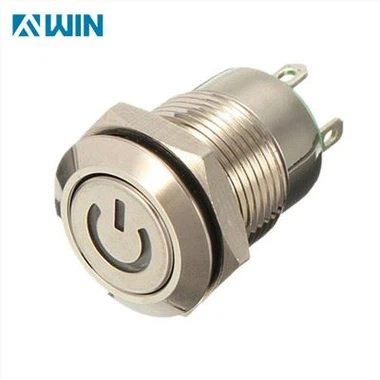
Illuminated push button switches have a built-in light that indicates the switch's status. These switches are suitable for applications where the switch's status needs to be visible in low light conditions. Illuminated push button switches come with different color lights, including red, green, yellow, and blue. The light can be steady or flashing, depending on the application.
3. Momentary or Latching Push Buttons
Push button switches can be either momentary or latching. Momentary push button switches are designed to be pressed and released quickly, and they return to their original position when released. These switches are suitable for applications where a short duration switch is required to activate a particular action. Latching push button switches, on the other hand, stay in their last position until they are manually reset. These switches are suitable for applications where the switch needs to stay in the on or off position for a more extended period.
4. Tamper-Proof Switches
Tamper-proof push button switches are designed to prevent unauthorized access or accidental switch activation. These switches are commonly used in industrial settings, where machines and equipment need to be locked down to prevent unauthorized access or manipulation. They are also used in access control systems to prevent unauthorized intruders from gaining entry into restricted areas.
5. Weatherproof and Water-Resistant Switches
Push button switches can be designed to be weatherproof or water-resistant. A weatherproof push button switch is designed to resist moisture, dust, and other environmental factors that can affect its performance. A water-resistant push button switch is designed to resist water entry and can be used in applications where the switch is likely to be exposed to water or other liquids.
6. Different Sizes and Shapes
Push button switches come in different sizes and shapes, depending on the application. They can be cylindrical, square, rectangular, or even oval-shaped. The size of the switch also varies, from small switches that can fit on a PCB to larger switches that can be mounted on a panel.
7. Different Mounting Types
Push button switches can be mounted in different ways, depending on the application. The most common mounting types are surface-mounted and panel-mounted switches. Surface-mounted switches are attached to the surface of the PCB, while panel-mounted switches are mounted on a panel or enclosure using a threaded collar or a snap-in mechanism.
Conclusion
In summary, push button switches come with a variety of features that make them suitable for different applications. These features include switching options, illuminated switches, momentary or latching push buttons, tamper-proof switches, weatherproof and water-resistant switches, different sizes, and shapes, and different mounting types. When choosing a push button switch, it is essential to consider the specific requirements of the application to ensure optimal performance and durability.