

Rocker Switch: Explanation Of Terms And Functionality
Mar 13, 2024
A rocker switch is a type of electrical switch that features a distinctive "rocking" mechanism for controlling electrical circuits. Let's delve into the terms associated with rocker switches and how they function:
Terms Associated with Rocker Switches:
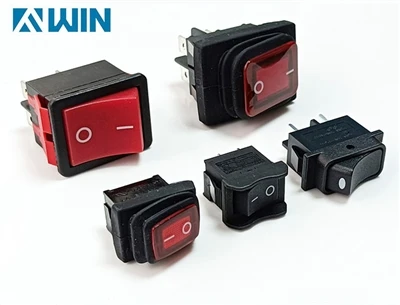
Actuator: The actuator is the part of the switch that users press or toggle to operate it. In a rocker switch, this is typically a paddle or lever that rocks back and forth.
Rocker: The rocker is the portion of the switch that moves when actuated. It can be a single piece or divided into separate sections for different functions (e.g., on/off).
Pivot Point/Fulcrum: This is the central point around which the rocker pivots when pressed. It allows the rocker to move smoothly between its positions.
Contacts: Rocker switches contain electrical contacts that make or break connections within the switch. These contacts are typically made of conductive materials like copper or silver.
Terminal Connections: The stationary contacts are connected to terminals on the switch, while the movable contacts are attached to the rocker. These connections facilitate the flow of electrical current.
SPST/DPST/SPDT: These acronyms denote the switch's electrical configuration:
SPST (Single Pole, Single Throw): A basic on/off switch.
DPST (Double Pole, Single Throw): Controls two separate circuits simultaneously.
SPDT (Single Pole, Double Throw): Allows for switching between two circuits.
LED Indicator: Some rocker switches feature built-in LED indicators to signal the switch's on/off status visually.
Mounting Style: Rocker switches come in various mounting styles, including panel mount, PCB mount, and surface mount, to suit different installation requirements.
Functionality of Rocker Switches:
On/Off Control: Rocker switches provide a simple means of turning circuits on or off. Pressing one side of the rocker toggles the switch between the on and off positions.
Momentary Operation: In some cases, rocker switches can function as momentary switches, where they return to the off position when released.
Dual Functionality: Rocker switches can have dual functionality, with each side of the rocker controlling a separate circuit. This allows for independent control of multiple functions.
Visual and Tactile Feedback: Many rocker switches offer tactile feedback when pressed, such as a clicking sensation or resistance, to indicate that the switch has been actuated. LED indicators provide visual feedback of the switch's status.
Versatile Applications: Due to their simplicity and reliability, rocker switches are used in a wide range of applications, including lighting control, power distribution, appliances, automotive, marine, industrial machinery, and more.
Conclusion:
Rocker switches are versatile electrical switches that offer simple yet effective control over electrical circuits. Understanding the terminology associated with rocker switches and their functionality helps users select the appropriate switch for their specific application requirements. Whether for basic on/off control or more complex circuit switching, rocker switches provide a reliable solution for various industries and applications.


