Materials in Construction Of Metal Switches
Aug 04, 2025
Metal switches, metal push button switches, and illuminated metal switches are engineered with a strategic selection of materials to meet their functional, durability, and aesthetic requirements. While they share core components, each type also incorporates specific materials tailored to its design.

At the heart of all these switches are conductive materials, which are critical for reliable electrical performance. The primary conductive elements rely heavily on copper alloys. Phosphor bronze is a standout choice for contact springs in metal switches and metal push button switches due to its exceptional combination of elasticity and electrical conductivity. This allows the springs to maintain consistent pressure on contacts, ensuring a stable connection even after repeated use. Brass, another key copper alloy, is preferred for terminals and contact plates. Its excellent machinability makes it easy to shape into precise components, while its inherent conductivity supports efficient current transfer. To further enhance performance, contacts are often coated with a thin layer of silver. This silver plating acts as a barrier against oxidation, preventing the buildup of tarnish that could disrupt current flow, thus ensuring long-term reliability in all three switch types.
Structural materials are chosen to provide robustness and longevity, especially considering the physical demands placed on switches. Stainless steel, particularly grade 304, is a staple in the construction of switch bodies and the exteriors of metal push button switches. Its high resistance to corrosion, scratches, and impact makes it ideal for harsh environments, such as industrial settings or outdoor applications, where switches may be exposed to moisture, chemicals, or physical abuse. Additionally, its smooth, metallic finish offers a sleek, professional appearance that suits both industrial and commercial spaces. Aluminum alloys, such as 6061, are another popular structural material. They are significantly lighter than stainless steel, making them a great choice for applications where weight is a concern, such as in portable devices or lightweight machinery. Aluminum's malleability allows for intricate designs, and it is often treated with anodization-a process that forms a protective oxide layer on its surface. This not only enhances its resistance to corrosion and wear but also allows for a range of color options, adding to the aesthetic versatility of metal switches and metal push button switches.
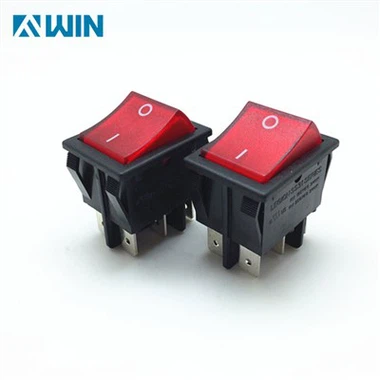
Illuminated metal switches, which integrate visual indicators, require additional specialized materials. A key component is the light-diffusing cover, typically made from polycarbonate or acrylic. These materials are chosen for their ability to evenly scatter light from the internal LED, ensuring a uniform glow that is easy to see without glare. They also offer excellent heat resistance and impact strength, protecting the LED from external damage.
The LED itself is constructed using semiconductor materials like gallium arsenide, which efficiently convert electrical energy into light, providing long-lasting illumination with low power consumption.
Finally, all three types of switches incorporate insulating materials to prevent electrical short circuits and ensure user safety. Parts such as bushings, bases, and internal spacers are often made from thermoplastics like nylon or PBT (polybutylene terephthalate). These materials possess high dielectric strength, making them effective insulators, and they can withstand the heat generated during switch operation. Their moldability also allows for precise fitting, ensuring that conductive components are properly separated.
In summary, the materials used in metal switches, metal push button switches, and illuminated metal switches are carefully selected to balance conductivity, durability, functionality, and safety, making them suitable for a wide range of applications from industrial controls to consumer electronics.