What is the purpose of a microswitch?
Jul 04, 2024
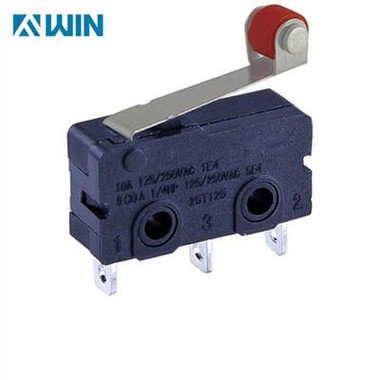
A micro switch, also known as a miniature snap-action switch, is a small yet highly reliable electrical switch widely used in various applications. Its primary purpose is to detect physical changes and convert them into an electrical signal. Here are the key aspects of a microswitch and its purposes:
1. High Sensitivity and Precision:
Microswitches are designed to be highly sensitive, requiring minimal physical force to activate. This sensitivity makes them ideal for applications where precise and immediate responses are crucial. They are often employed in situations requiring a small movement to trigger a significant action.
2. Durability and Reliability:
Constructed to endure millions of cycles, microswitches are known for their long-lasting performance. They are built to withstand harsh environments, including extreme temperatures, moisture, and dust. This durability ensures that they can reliably function in demanding conditions, making them suitable for industrial and commercial applications.
3. Versatility in Applications:
Microswitches are used across a wide range of industries due to their versatility. Some common applications include:
Home Appliances: Used in devices such as microwave ovens, washing machines, and refrigerators to detect door positions and control operations.
Automotive Industry: Employed in vehicles for functions like detecting the position of the gear lever, control switches on the steering wheel, and door latch mechanisms.
Industrial Equipment: Utilized in machinery for end-of-travel detection, safety interlocks, and control systems.
Medical Devices: Incorporated in equipment like infusion pumps and diagnostic devices to ensure precise operation and safety.
Security Systems: Integrated into alarm systems and access control mechanisms for detecting unauthorized entry or the status of doors and windows.
4. Safety and Control:
Microswitches are often used in safety-critical applications where accurate and reliable detection is essential. For example, in elevators, they ensure that doors are fully closed before the elevator moves. In industrial machines, they can act as emergency stop mechanisms, preventing accidents and equipment damage.
5. Electrical Characteristics:
Microswitches are available in various configurations to handle different electrical loads, ranging from low-voltage, low-current applications to higher power requirements. This adaptability allows them to be used in both low-power electronic circuits and more robust electrical systems.
6. Cost-Effectiveness:
Despite their advanced functionality and durability, microswitches are generally cost-effective. Their affordability, combined with high performance, makes them an attractive choice for many applications.
In summary, the purpose of a microswitch is to provide a highly reliable, sensitive, and durable means of detecting physical changes and converting them into electrical signals. This versatility, combined with their robustness and cost-effectiveness, makes them indispensable in a wide range of applications across various industries.