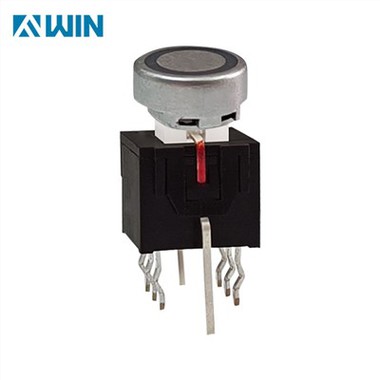
The brief introduction of PCB tact switch
Dec 22, 2023
A PCB (Printed Circuit Board) tact switch, also known as a PCB mount tactile switch, is a type of switch designed for easy integration into printed circuit boards. These switches are commonly used in electronic devices where a momentary electrical connection is required, such as for user interface controls. Here's a brief introduction to PCB tact switches:
Key Features:
Tactile Feedback:
PCB tact switches provide tactile feedback, offering a noticeable click or physical sensation when pressed. This feedback confirms to the user that the switch has been actuated.
Compact Size:
These switches are designed to be compact, making them suitable for applications with limited space on the printed circuit board.
Momentary Action:
Tact switches are typically designed for momentary action, meaning they return to their original state when the applied force is released. This is common in applications where a temporary electrical connection is needed.
Contact Configuration:
PCB tact switches may have different contact configurations, such as Single Pole, Single Throw (SPST) or Single Pole, Double Throw (SPDT), indicating the number and arrangement of electrical contacts.
Mounting Options:
PCB tact switches come with terminals designed for direct soldering onto the printed circuit board. They are available in through-hole or surface-mount configurations, allowing for flexibility in the PCB assembly process.
Applications:
These switches are widely used in various electronic devices and control panels, including consumer electronics, audio equipment, computer peripherals, and industrial applications.
Termination Styles:
PCB tact switches may have different termination styles, such as gull-wing or J-lead for surface-mount applications, or through-hole for traditional through-hole PCB assembly.
Actuation Force and Travel:
The actuation force and travel distance of the switch determine the tactile feel and responsiveness. Different models may offer variations to suit specific user preferences or application requirements.
Customization Options:
Some manufacturers offer customization options, such as cap design, actuator shape, or LED illumination features, allowing users to tailor the switch to their specific needs.
Sealed Design (Optional):
Some PCB tact switches may come with a sealed or protected design, providing resistance to dust and moisture. This is beneficial for applications in challenging environmental conditions.
When selecting a PCB tact switch, it's crucial to consider factors such as the switch's specifications, the application's requirements, and the manufacturer's guidelines. Thoroughly review the product datasheet to ensure proper integration into the PCB layout and compatibility with the intended electronic design.