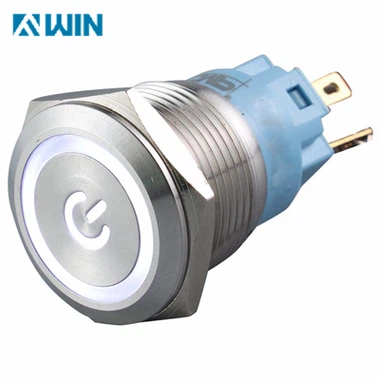
Operating Temperature Range of Metal Button Switches
Aug 08, 2025
Metal switches, encompassing metal push button switches and illuminated metal push button configurations, are meticulously engineered to endure an extensive thermal spectrum, thereby ensuring consistent and reliable performance across a multitude of operational environments. The construction of these switches, typically incorporating materials such as stainless steel or zinc alloy, in conjunction with specialized internal components, endows them with the capability to function effectively under conditions ranging from subarctic cold to elevated heat.
Standard metal push button switches, which feature robust metallic exteriors and heat-resistant plastic internal components, are generally rated to operate within a temperature range of -20°C to 70°C. This operational temperature envelope is well-suited for a wide array of applications, including typical industrial settings, indoor electronic systems, and automotive interiors, where temperature variations are relatively moderate. The metal housing serves as an efficient thermal barrier, shielding the internal mechanisms from rapid temperature fluctuations. Additionally, contacts fabricated from materials such as silver or copper alloys exhibit excellent oxidation resistance, even at elevated temperatures, thereby ensuring continuous electrical conductivity.
In contrast, heavy-duty metal switches are specifically designed to withstand more severe thermal conditions. These advanced switch models are capable of operating within a significantly broader temperature range, spanning from -40°C to 120°C. This enhanced thermal tolerance renders them ideal for deployment in harsh environments, such as outdoor equipment, industrial furnaces, and cold-storage facilities. Stainless steel variants excel in such demanding applications due to their low thermal conductivity, which minimizes heat transfer to internal components. Similarly, zinc alloy switches coated with high-temperature-resistant materials (such as ceramic-based finishes) demonstrate excellent resistance to thermal deformation and material degradation.
Illuminated metal push buttons, which integrate light-emitting diodes (LEDs), have a slightly more restricted but still impressive operational temperature range, typically between -30°C and 85°C. This limitation is primarily attributed to the inherent performance characteristics of LEDs, as extreme cold can transiently reduce light output, while excessive heat can substantially shorten the LED lifespan. To mitigate these challenges, manufacturers employ high-grade LEDs with extended temperature tolerance ratings. Furthermore, the metal housing facilitates efficient heat dissipation, ensuring that the LED components remain within their specified operating temperature limits.
In summary, metal switches, whether utilized in regulated environments, dynamic industrial settings, or extreme temperature conditions, are engineered to maintain functionality. Their exceptional thermal resilience, combined with the inherent durability of metallic materials, positions them as the preferred choice for applications where plastic switches would prove inadequate. From polar expedition vehicles to desert oil extraction platforms, metal switches demonstrate their versatility and reliability across the most challenging environments worldwide.