latching power button
Mar 30, 2023
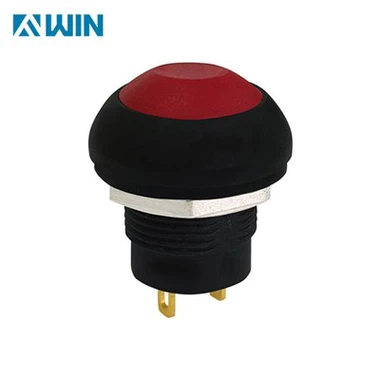
A latching power button is a type of mechanical switch that requires you to press and hold the button to turn a device on or off. It is called a latching switch because it stays in the position you push it until it is pushed again.
In electronics, a power switch plays a vital role in controlling the flow of electricity to the device it is connected to. The latching switch system is popular in many consumer electronics and household appliances, especially those that require a mechanism for keeping the power on/off button depressed to operate for longer periods.
For devices that only require a momentary push to turn on and off, such as flashlights or handheld radios, a momentary switch or a push-button switch is suitable. However, for devices that require continuous power, such as computers, radios with long-range communications, or appliances, a latching switch is the ideal choice.
Here are some reasons why a latching switch is preferred in many applications:
1. Safe Operation
Latching power buttons offer safety by ensuring that the device stays on or off until you turn it off. It also prevents the device from turning on unintentionally, which could cause damage or safety hazards.
2. Reduced Energy Waste
When using a latching switch in devices that consume a lot of power, such as computers or game consoles, you can be sure that they will remain off when not in use, reducing power consumption and energy waste.
3. Enhanced Control
Latching switches provide better control by allowing you to operate the device for as long as you need it without holding down the button. This feature is especially useful for appliances or devices that perform multiple functions or have extended service life.
4. Easy to Use
Latching switches are straightforward to operate. Pressing the button once activates the device, and another press turns it off. This intuitive operation does not require special training or knowledge of the device's users.
5. Extended Service Life
Push buttons may wear out over time due to repeated use or environmental factors such as moisture and dirt. Latching switches, on the other hand, have a longer lifespan since they only require occasional pressing.
So, where are latching power buttons commonly used? The answer is, in many household appliances and electronic devices such as radios, computers, printers, and gaming consoles. These devices require a reliable and consistent power supply, which is ensured by using the latching power button mechanism.
In conclusion, latching power buttons are a reliable and safe mechanism for controlling electricity flow in electronic devices. The ability to keep the switch in the on or off position for extended periods makes them ideal for many applications, including household appliances and consumer electronics. They are simple to operate, offer better control, save energy, and enhance component longevity. With these advantages, it's easy to see why they have become an essential component in modern technology.